


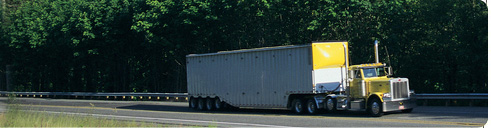

We take pride in delivering the safest, most reliable transportation services available. Our expansive safety program includes strict operator qualification requirements, dynamic orientation and training initiatives, and extensive customer and public outreach programs.
Our Goal with our Clients Are:
- Safety
- Personal Commitment To Always Deliver
- Honesty and Integrity
- Sense of Urgency
- Hard Work - "Can Do" Spirit
... The FY 2012 Budget was released this morning. The Budget proposes a $556 billion, six-year surface reauthorization package. This historic investment, which is over 60 percent larger than the previous six-year bill in real terms, includes an unprecedented commitment to inter-city passenger rail transportation. The proposal also seeks to reform how these Federal transportation dollars are spent so that they are directed to the most effective programs and projects. It will give States and localities added flexibility while holding them accountable for performance and make Federal funding decisions based on more sound and inclusive transportation plans. The plan provides a $50 billion funding boost in the first year to spur job creation when we need it most, and to lay a foundation for future economic growth through greater and safer transportation choices for Americans and increased business development in communities. Finally, transportation programs are reformed to increase accountability and efficiency and deliver cost-effective infrastructure projects. Specifically, the plan will:
Adopt A “Fix It First” Approach for Highway and Transit Grants. Key elements of the nation’s surface transportation infrastructure —our highways, bridges, and transit assets —fall short of a state of good repair. This can impact the capacity, performance, and safety of our transportation system. The Administration’s reauthorization proposal will underscore the importance of preserving and improving existing assets, encouraging its government and industry partners to make optimal use of current capacity, and minimizing life-cycle costs through sound asset management principles. Accountability is a key element of this system: States and localities will be required to report on transportation condition and performance measures.
Consolidate Highway Programs. The Administration’s proposal would consolidate over 55 duplicative, often-earmarked highway programs into five streamlined programs. This would give States and localities greater flexibility to direct resources to their highest priorities. In the interest of taxpayer value and accountability, that flexibility will come with reformed requirements on States to establish and meet performance targets tied to national goals and to move towards rigorous cost benefit analyses of major new projects before they are initiated.
Ensure that Any Surface Transportation Plan is Paid For. The current framework for financing and allocating surface transportation investments is not financially sustainable, nor does it adequately or effectively allocate resources to meet our critical national needs. The President is committed to working with Congress on a bipartisan basis to ensure that funding increases for surface transportation do not increase the deficit. In order to encourage all parties to work together to enact such a solution, consistent with the recommendation of the National Commission on Fiscal Responsibility and Reform, the Budget proposes to make all programs included in surface transportation reauthorization subject to PAYGO (i.e., outlays classified as mandatory). This is intended to close loopholes in budgetary treatment and support the important goal of generating broad, bipartisan consensus for a fiscally responsible plan.
Invest in High Speed Rail. The Administration’s reauthorization provides $53 billion over six years to continue construction of a national high speed and intercity passenger rail network, putting the country on track toward a system that gives 80 percent of Americans access to high-speed rail within 25 years. This proposal will connect communities, reduce travel times and congestion, and create skilled manufacturing jobs that can't be outsourced. And, for the first time, it will place high-speed rail on equal footing with other surface transportation programs.
Leverage Our Investments Through a National Infrastructure Bank. The Administration’s six year plan would invest $30 billion to found a National Infrastructure Bank (I-Bank). The I-Bank would leverage this Federal investment by providing loans and grants to support individual projects and broader activities of significance to our Nation’s economic competitiveness. For example, the Bank could support improvements in road and rail access to a West Coast port that benefit farmers in the Midwest, or a national effort to guarantee private loans made to help airlines purchase equipment in support of the next generation air traffic control system (NextGen). A cornerstone of the I-Bank’s approach will be a rigorous project comparison method that transparently measures which projects offer the biggest “bang for the buck” to taxpayers and our economy. This marks a substantial departure from the practice of funding projects based on more narrow considerations.
Provide "Transportation Leadership Awards” to Spur Smart Reforms. The Administration’s six-year reauthorization plan would dedicate nearly $32 billion for a competitive grant programs designed to create incentives for State and local partners to adopt critical reforms in variety of areas, including safety, livability, and demand management. Federally-inspired safety reforms such as seat belt and drunk-driving laws saved thousands of American lives and avoided billions in property losses. This initiative will seek to repeat the successes of the past across the complete spectrum of transportation policy priorities. The Department will work with States and localities to set ambitious goals in different areas – for example, passing measures to prevent distracted driving (safety) or modifying transportation plans to include increased transportation options that cut commuting time, ease congestion, reduced oil consumption, lower greenhouse gas emissions, and expand access to job opportunities and housing that’s affordable (livability). Funding decisions will also be tied to the adoption of reform.
Invest In More Livable and Sustainable Communities. A livable community is a place where coordinated transportation, housing, and commercial development give people access to affordable and environmentally sustainable transportation. The Administration’s reauthorization proposal puts forth a transformational policy shift to achieve more livable and sustainable communities through increased investments in transit, a new livability grant program in the Federal Highway Administration and the Federal Transit Administration, and a competitive livability grant program for States and localities to deliver on sound, data-driven, and collaboratively-developed transportation plans. This will be coordinated through the Administration’s multi-agency Partnership for Sustainable Communities.
Welcome To Our Website!