Welcome To Our Website!

Welcome to the Kansas Asphalt Paving Association (KAPA) website. The KAPA represents 13 Hot-Mix Asphalt (HMA) Producers and 50 Suppliers, Associate Members, and Consulting Engineers who are dedicated to providing the traveling public of Kansas with the highest quality HMA placed with a commitment to excellence in all of our projects. Asphalt pavements are the smoothest, safest, quietest and most environmentally-friendly roadways and parking lots. The KAPA website will provide you with information on the benefits of HMA, educational materials and opportunities, the KAPA membership, and how to contact us for more information and opportunities to join this progressive association.



Today's Stories
Choose the right pavement
Choose Asphalt !
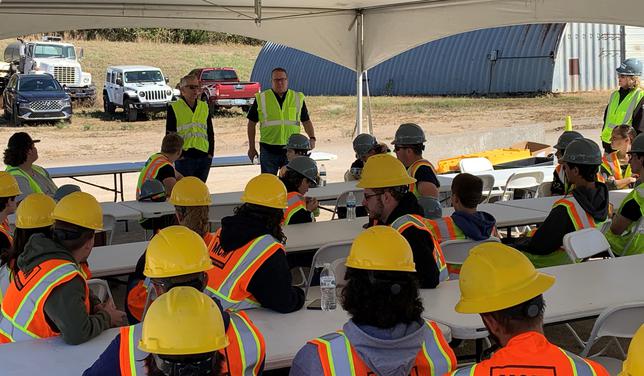
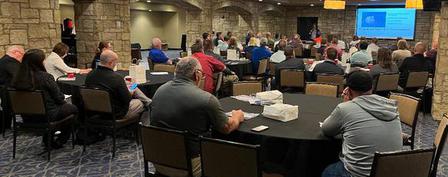
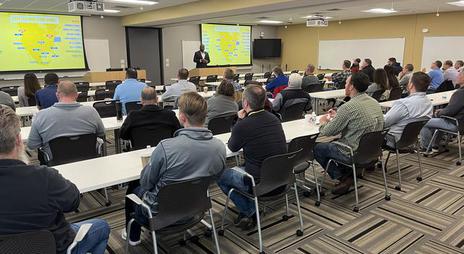
Kansas City Metro Municipal Roundtable
April 3, 2025
~~~~~~~~~~~~~~~~~~~~~~~~~~~~~~~~~~~
Transportation Day at the Capitol
March 12, 2025
~~~~~~~~~~~~~~~~~~~~~~~~~~~~~~~~~~~
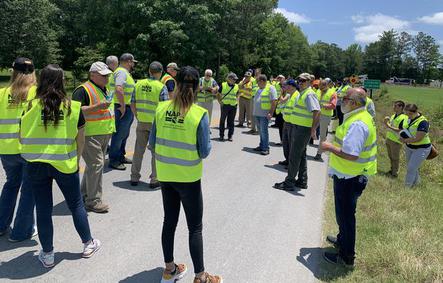
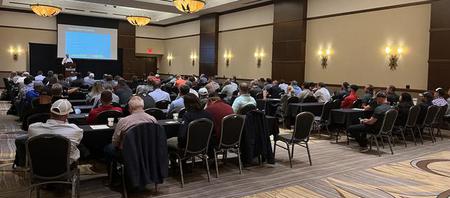
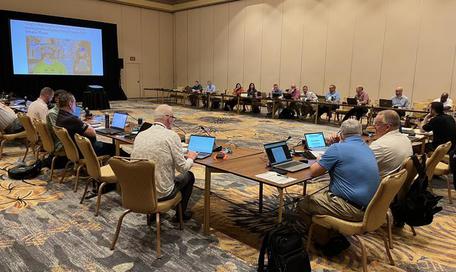
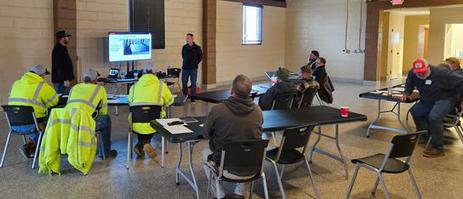
2025 L-Tap Meetings
~~~~~~~~~~~~~~~~~~~~~~~~~~~~~~~~~~~
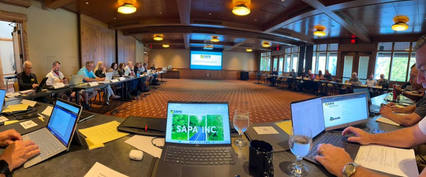
February 2025 SAPA Annual Meeting
~~~~~~~~~~~~~~~~~~~~~~~~~~~~~~~~~~~
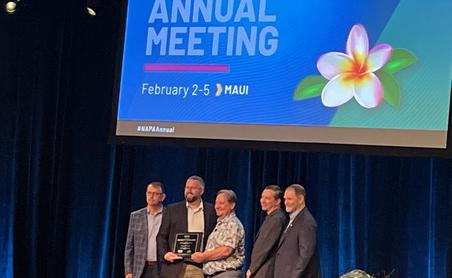
February 2-5, 2025 NAPA Maui
~~~~~~~~~~~~~~~~~~~~~~~~~~~~~~~~~~~
2025 L-Tap Workshop
~~~~~~~~~~~~~~~~~~~~~~~~~~
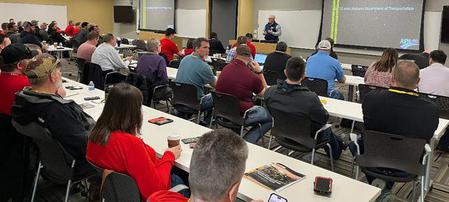
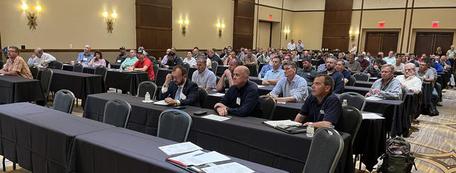
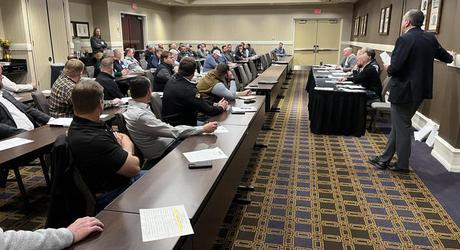
KAPA January 2025 Members Meeting
~~~~~~~~~~~~~~~~~~~~~~~~~~~~~~~~~~
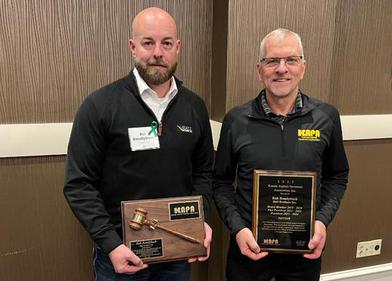
KAPA Board President Rob Roudybush receives
recognition for his service as a Board Member
and Board President
~~~~~~~~~~~~~~~~~~~~~~~~~~~~~~~~~
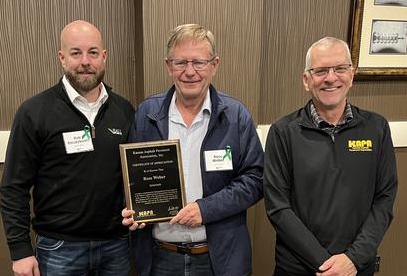
KAPA recognized Ross Weber for his
leadership of the SPEC Committee
~~~~~~~~~~~~~~~~~~~~~~~~~~
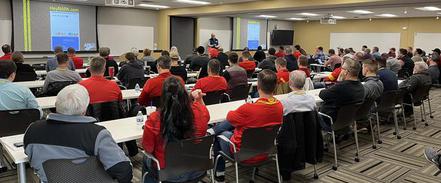
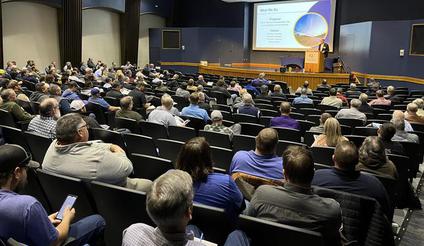
2024 KU Asphalt Conference
~~~~~~~~~~~~~~~~~~~~~~~~~~
2024 Fall Forum
~~~~~~~~~~~~~~~~~~~~~~~~~~~~~~~~~~~
August 2024 SAPA Mid Year Meeting, Oregon
~~~~~~~~~~~~~~~~~~~~~~~~~~~~~~~~~~~
2024 Kansas County Highway Association
~~~~~~~~~~~~~~~~~~~~~~~
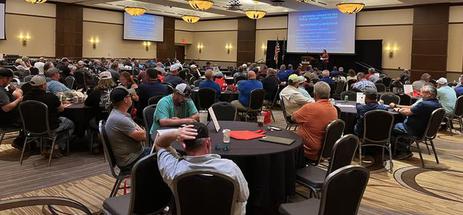
KC Metro Municipal Asphalt Roundtable
~~~~~~~~~~~~~~~~~~~~~~
APAC Kansas wins national award for
Gove County project
APAC Kansas-Shears Division earned the Sheldon G. Hayes Award this week – the top paving award from the National Asphalt Pavement Association. The award recognizes APAC's work on the Kansas Department of Transportation’s I-70 asphalt improvement project in Gove County. The project covered just over 9 miles of I-70 starting 4 miles east of Park and ending at the Trego County line. Nearly 76,000 tons of asphalt was used on the driving lanes and shoulders.
“This award acknowledges what we Kansans have always known; Kansas contractors are second to none,” said Calvin Reed, Secretary of Transportation. “It is the result of exceptional collaboration between Kansas-based industry partners and KDOT who completed the I-70 project with a high degree of skill and attention to detail.”
~~~~~~~~~~~~~~~~~~~~~~~~~~~~~~~~~~~~~
NAPA Awards go to Kansas projects
Sheldon G. Hayes:
I-70 in Gove County, Kan.
Larry H. Lemon:
US 183 in Clark County, Kan.
US 54 in Meade County, Kan.
Quality in Construction:
US 81 SB in Ottawa County, Kan.
US 81 NB & SB in Ottawa County, Kan.
US 400 in Greenwood County, Kan.
SH 177 in Butler County, Kan.
~~~~~~~~~~~~~~~~~~
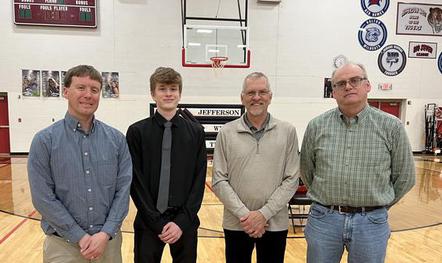
KDOT joined KAPA Director Dan Scherschl;igt in mock interviews at Jefferson West high school. Highschool students
learned of opportunities in the transportation industry.
~~~~~~~~~~~~~~~~~~~~~~~~
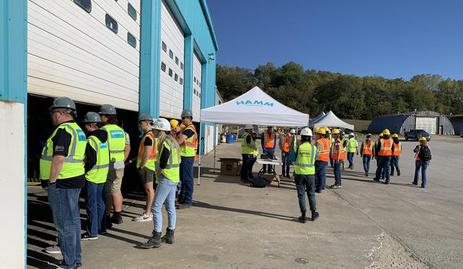
KAPA participates with the Hamm Foundation for a
Work Force Development meeting, September 28, 2022
~~~~~~~~~~~~~~~~~~~~~~~~
Workforce development is a high priority initiative as the transportation industry embarks on a big workload via the state
IKE plan and the federal BIL plan. Getting construction interns interested in transportation is part of that initiative. What better
way to get construction interns interested in transportation than
to display first hand the KDOT central lab and the dedicated and talented work of the KDOT staff that work there!
A shout out to the KDOT staff for hosting a tour of the central
lab. And special thanks to Rick Barezinsky, Blair Heptig and
Shane Houser for leading the tours of the lab. We had great participation from several companies including producers,
suppliers, and equipment dealers.
The lab tour was just one stop for the interns, after the
KDOT tour they spent time at KCA and the capitol.
Awesome job by the KCA staff in organizing the day.
~~~~~~~~~~~~~~~~~~~~~~~~~
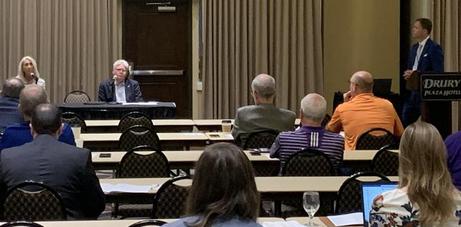
KSPE Conference, Wichita, Kansas
Legislative Panel with Senate Transportation
Committee Chair Mike Petersen
~~~~~~~~~~~~~~~~~~~~~~~~~
NAPA Action News recognizes
APAC-Kansas for Russell County Project
NAPA Members Recognized for Award-Winning Perpetual Pavements, each year the Asphalt Pavement Alliance (APA) honors those demonstrating outstanding asphalt design and construction with the prestigious Perpetual Pavement Award
The APA congratulates and recognizes
APAC-Kansas Inc., Shears Division, A CRH Company for
U.S. Rte. 281 project in Russell County, Kan.
~~~~~~~~~~~~~~~~~~~~~~~~~
APA Perpetual Pavement Awards
~~~~~~~~~~~~~~~~~~~~~~~
Ross Weber Article on Cover of
Asphalt Institute (AI) Spring Magazine
For those of you that know Ross, you are probably aware how he has been committed over the years to solving longitudinal joint cracking and distress. His presentations at the
Fall Forum have been very well received. Ross's work is now getting national attention, Congratulations goes out to
Ross for his tireless work on this issue and getting well deserved recognition.
Congratulations to APAC
APAC earned three National Asphalt Pavement Association (NAPA) Quality in Construction Awards! Earning an award is highly competitive and shows commitment to quality in mix production, paving practices and partnering. These projects were announced at the 2022 NAPA annual meeting in Scottsdale, Arizona. The awards honor companies who have gone the extra mile to achieve excellence. A well deserved congratulations goes out to all involved, contractor, supplier and KDOT, for their hard work in making these projects a success. The scope of these projects was asphalt mill and overlay.
The award winning projects are;
US183 in Rooks County from Plainville to Stockton
US50 in Finney County from Ford/Finney county line to Garden City
US50 in Reno County from Harvey/Reno county line to Hutchinson
~~~~~~~~~~~~~~~~~~~~~~
Asphalt Pavement: A Critically Important Aspect of Infrastructure Resiliency
Asphalt pavements inherently possess resilient features, though the typical pavement
engineer/designer does not necessarily think of these characteristics through the lens of
resilience. The rapid constructability of asphalt pavements enables a producer to become a
“first responder” after a disaster; if a pavement is damaged due to an extreme event, it can be
quickly restored through fast construction. Tools and methods such as warm mix asphalt,
adaptable materials (e.g., polymer modified binders to resist high temperature or traffic load
deformation), porous asphalt systems for storm water management, and the ability to recycle
materials that have been compromised during an event as a means of compensating for
disrupted materials supply chains enhance the resilience of the system.
~~~~~~~~~~~~~~~~~~~~~~~~
APAC Hays Branch
receives two Quality in Paving awards
National Asphalt Pavement Association (NAPA) presented
the Quality in Paving awards during the 2021 virtual annual convention. Both projects were KDOT projects constructed
in 2020. The award winning projects are the US 50 project
in Harvey county and the K51 project in Morton county. Projects winners are selected based on consistency and
quality of mix . A well deserved congratulations to the
APAC Hays branch for this achievement, especially with
all the challenges brought on during the pandemic.
~~~~~~~~~~~~~~~~~~~~~~~~
Equipment World Magazine
Shilling Construction tries new screed
~~~~~~~~~~~~~~~~~~~~~~~~
NCAT Test Track
~~~~~~~~~~~~~~~~~~~~~~
Hall Brothers Construction Co.
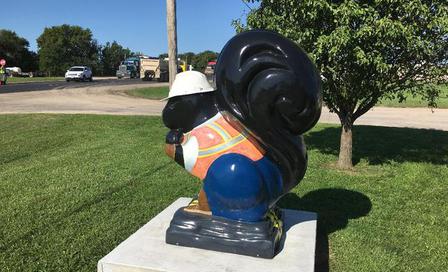
As an prominent member in the Marysville community
Hall Brothers do their part to promote the Black Squirrel
with a colorful construction worker squirrel. Black Squirrel
sculptures appear throughout the Marysville community.
~~~~~~~~~~~~~~~~~~~~~~
KAPA members are committed to constructing and rehabilitating asphalt highways, local roads, parking lots and developments to the highest standards and quality. Our members are committed to their local communities and contribute to the local economies through the construction of their projects. They gladly support many families through the employment of their dedicated employees. Quality is the Plan!
KAPA Board of Directors
President
Dave Wilson
Superior Bowen Asphalt Co., LLC
Vice President
Travis Shilling
Shilling Construction Co. Inc.
Sec/Treasurer
Pat Short
Pearson Materials LLC.
Directors
Scot Moeder
Venture Corporation
Jason Heis
APAC Shears Kansas
Jake Lauer
Hall Brothers Construction Co., Inc
NAPA Releases
Research Booklet
NAPA has compiled a summary of ongoing and recently completed asphalt research projects and industry initiatives. It covers work funded by NAPA, the Asphalt Pavement Alliance, and the Pavement Economics Committee.

New Communication Tool Available
NAPA launched a new website, DriveAsphalt.org. The site aims to provide information to road owners about the superior performance of asphalt pavements. The website can be a helpful tool for meetings with DOT, public works, and tollway officials. In the upcoming months, the site will be enhanced and expanded into a full resource for pavement designers seeking information about asphalt pavements.

Take a minute to check this dynamic video!
PAVING A
Better Future
Learn how asphalt has already provided a solid foundation, and the ways the asphalt industry is continuing to
bring about a more
sustainable future.
~~~~~~~~~~~~~~~~~
Asphalt
Click above to Link
Pavement Design
Software Available
PaveXpress is a free web based pavement design tool to help you create simplified pavement designs while taking into account key engineering inputs. PaveWpress includes access to resources such as design guides from state DOTs and industry associations so you can build formal designs from its simple recommendations. PaveXpress is based on the AASHTO 93/98 pavement design equation and has been tested and endorsed by KDOT. The following is the link to this free software.